
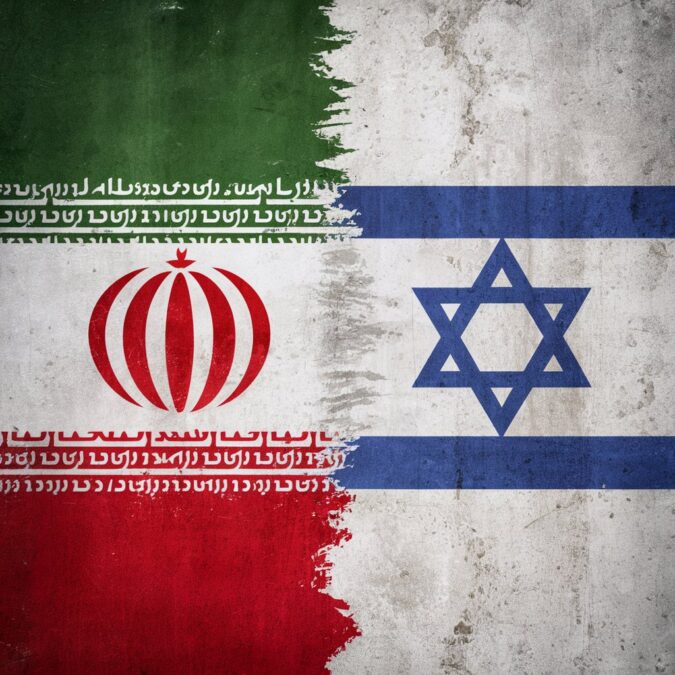

The phrase “Iran Israel news” has become one of the most searched and discussed topics in global affairs, reflecting a rapidly evolving geopolitical crisis that extends far beyond the Middle East. In 2026, tensions between Iran and Israel have escalated into direct military confrontations, drawing in global powers, disrupting trade routes, and raising fears of a wider regional or even global conflict. This ongoing situation is not simply a bilateral dispute but a complex web of military strategy, political alliances, economic consequences, and ideological differences that shape international relations.
Recent developments show a sharp rise in hostilities, including missile strikes, naval confrontations, and cyber disruptions. The conflict has expanded into strategic areas such as the Strait of Hormuz, a vital global oil route, increasing the stakes for countries worldwide. Understanding Iran Israel news requires examining both current events and the historical context that fuels these tensions.
Iran Israel News 2026: Current Conflict and Escalation
The latest Iran Israel news highlights a dramatic escalation in 2026, with both nations engaging in direct and indirect military actions. Reports indicate that Iran launched multiple missile barrages toward Israeli territory following targeted strikes on its leadership and infrastructure. These attacks marked a shift from proxy conflicts to more direct confrontation, signaling a dangerous new phase.
At the same time, tensions have spread into maritime regions. Iran has issued warnings and taken military actions in the Strait of Hormuz, blocking or threatening foreign naval forces and commercial shipping routes. The United States, aligned with Israel, has responded with naval operations aimed at securing international trade routes, further intensifying the situation.
The result is a volatile environment where military actions, political rhetoric, and strategic maneuvers occur simultaneously, increasing the risk of miscalculation and broader war.
Iran Israel War Timeline: Key Events Behind the Headlines
To fully understand Iran Israel news, it is essential to trace the timeline of major developments that led to the current crisis. The conflict intensified in early 2026 after the breakdown of diplomatic negotiations and subsequent military strikes involving Israel and allied forces targeting Iranian facilities.
In response, Iran launched retaliatory missile attacks across Israel, targeting both military and civilian areas. These strikes caused casualties and widespread disruption, despite Israel’s advanced missile defense systems. Over time, the conflict evolved into a cycle of retaliation, with both sides increasing the scale and intensity of their operations.
The timeline also includes significant leadership losses, attacks on energy infrastructure, and regional spillover into neighboring countries, making it clear that this is not an isolated conflict but a multi-layered geopolitical crisis.
Iran Israel News and the Strait of Hormuz Crisis
One of the most critical aspects of current Iran Israel news is the situation in the Strait of Hormuz, a narrow waterway through which a significant portion of the world’s oil supply passes. Iran’s military actions in this region have included warnings, missile threats, and alleged attacks on foreign vessels, creating a high-risk environment for global trade.
In response, international forces have attempted to secure safe passage for commercial ships, leading to tense standoffs between Iranian forces and foreign navies. This confrontation has global economic implications, as disruptions in oil supply can lead to rising energy prices and economic instability worldwide.
The Strait of Hormuz crisis demonstrates how Iran Israel news is not confined to regional politics but directly impacts global markets and international security.
Military Strategies in Iran Israel News: Missiles, Drones, and Cyber Warfare
Modern warfare plays a central role in Iran Israel news, with both sides employing advanced military technologies. Iran has used ballistic missiles, drones, and multi-warhead systems designed to bypass defense mechanisms, while Israel has relied on airstrikes, intelligence operations, and missile defense systems.
Reports indicate that Iranian missile attacks have targeted key Israeli locations, including areas near critical infrastructure such as nuclear facilities. These actions highlight the strategic importance of infrastructure in modern conflict, where disrupting energy or defense systems can have significant consequences.
Cyber warfare and information control have also emerged as important elements, with reports of internet shutdowns and digital disruptions within Iran, affecting communication and information flow during the conflict.
Global Impact of Iran Israel News: Economy, Politics, and Security
The global implications of Iran Israel news are profound. Economically, disruptions in oil supply and rising geopolitical risk have affected global markets, with fluctuations in oil prices and investor uncertainty.
Politically, the conflict has drawn in major world powers and regional actors, each with their own interests and alliances. Countries such as Saudi Arabia, the United Kingdom, and India have called for de-escalation, reflecting widespread concern about the potential for a broader war.
From a security perspective, the conflict increases the risk of regional instability, including the involvement of non-state actors and neighboring countries. The situation remains fluid, with the potential for rapid escalation or unexpected developments.
Future Outlook of Iran Israel News: What Comes Next?
Looking ahead, the future of Iran Israel news remains uncertain. While diplomatic efforts continue behind the scenes, both sides have shown a willingness to escalate militarily, making a quick resolution unlikely. The involvement of global powers adds another layer of complexity, as their actions can either stabilize or intensify the conflict.
Possible scenarios include continued low-intensity conflict, a full-scale regional war, or a negotiated settlement. Each outcome carries significant implications for global security and economic stability.
Conclusion: Why Iran Israel News Matters Globally
Iran Israel news is more than just a regional conflict; it is a defining issue in global geopolitics. The ongoing tensions highlight the interconnected nature of modern conflicts, where military actions, economic consequences, and political decisions are deeply intertwined.
Understanding this topic requires not only following daily news updates but also recognizing the broader historical, strategic, and global context. As the situation continues to evolve, staying informed is essential for grasping its potential impact on the world.
Frequently Asked Questions (FAQs)
1. Why is Iran in conflict with Israel?
The conflict stems from political, ideological, and strategic differences, including Iran’s opposition to Israel’s existence and Israel’s concerns over Iran’s nuclear and military capabilities.
2. What triggered the 2026 escalation in Iran Israel news?
The escalation began after failed negotiations and subsequent military strikes targeting Iranian facilities, leading to retaliatory attacks by Iran.
3. How does the Strait of Hormuz affect the conflict?
It is a crucial global oil route, and any disruption impacts international trade and energy prices, making it a key strategic point in the conflict.
4. Are other countries involved in the Iran Israel conflict?
Yes, global and regional powers are indirectly or directly involved, either through military support, diplomacy, or economic measures.
5. Could this conflict turn into a global war?
While not certain, the involvement of major powers and strategic regions increases the risk of wider escalation if tensions are not managed.